

Agents Navigating a Process Designed for Humans
Most of the agentic commerce conversation is still about checkout. The value is moving underneath it, into the control layer.

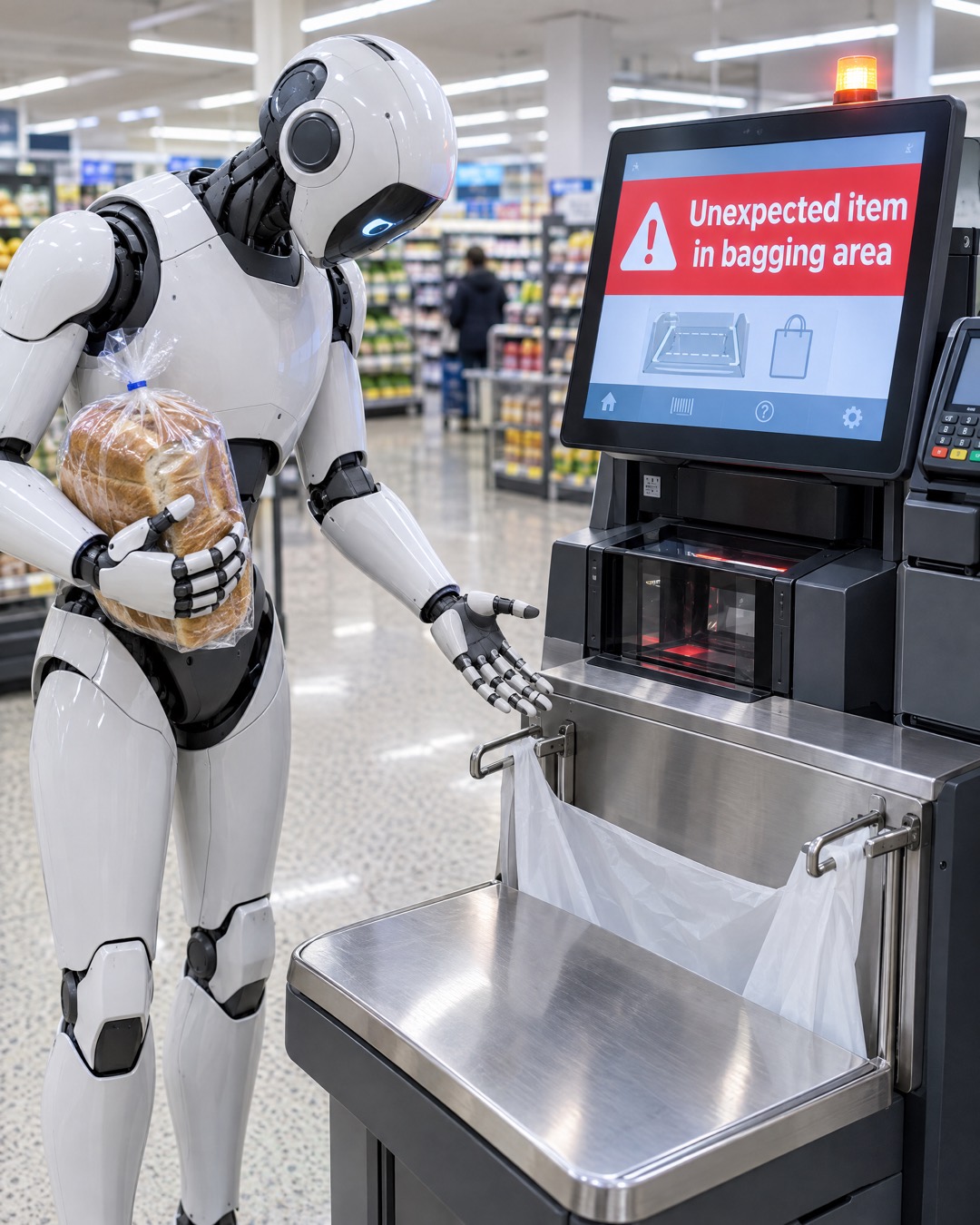
Most of the agentic commerce conversation is still about checkout: agents navigating a process designed for humans.
There will still be a place for that, but I think the checkout agents use will increasingly be replaced, at least in the form it takes today.
I’ve just read McKinsey’s 2026 Global Payments Report, and it makes this point well. As payments get embedded inside software, the checkout fades away and the value moves underneath it, into what they call the control layer: identity, consent, routing, risk, policy and trust.
They estimate payments technology spend growing around 9% a year to 2030. For years, payment integration meant getting systems to talk to each other. With agents now operating in these layers, the question is no longer just whether systems can connect:
Can these systems connect?
Who is connecting, and do we want to let it act?
Then I saw and read Mastercard’s latest Agent Pay announcement: new services that score whether a transaction is AI-initiated and whether it can be trusted, aimed mainly at issuing banks.
Mastercard pitches this as helping banks say yes. I read it as a backstop for issuers in uncertain times. If it is adopted, I expect we will see more declines in the agentic space while the other trust frameworks get established.
As I understand it, today the same rules broadly apply to agentic commerce as to any other online card payment. Nobody has written agent-specific liability rules yet. So, we have different frameworks evolving in different parts of the value chain, not necessarily connected and with different priorities. Meanwhile, Mastercard projects that 1 in 10 consumers will routinely use agents to shop by 2030.
Navigating that is going to be interesting. I think there is real value for payment companies who understand all the moving parts and can use that expertise to achieve the highest levels of agentic authorisation and security.
Just a thought, but are we further embedding the need for Agent Engine Optimisation?
Connecting financial institutions, software platforms and the businesses they serve.